
Black History Month: The Colored American Magazine
When I searched for the first Black American magazine, Ebony came up. This is the first POC magazine in the United States that achieved national publication. However, The Colored American Magazine was the true first monthly publication in the U.S. and it built the market for future magazines, like Ebony. it was created in May of 1900 and ran until November of 1909 out of Boston. It
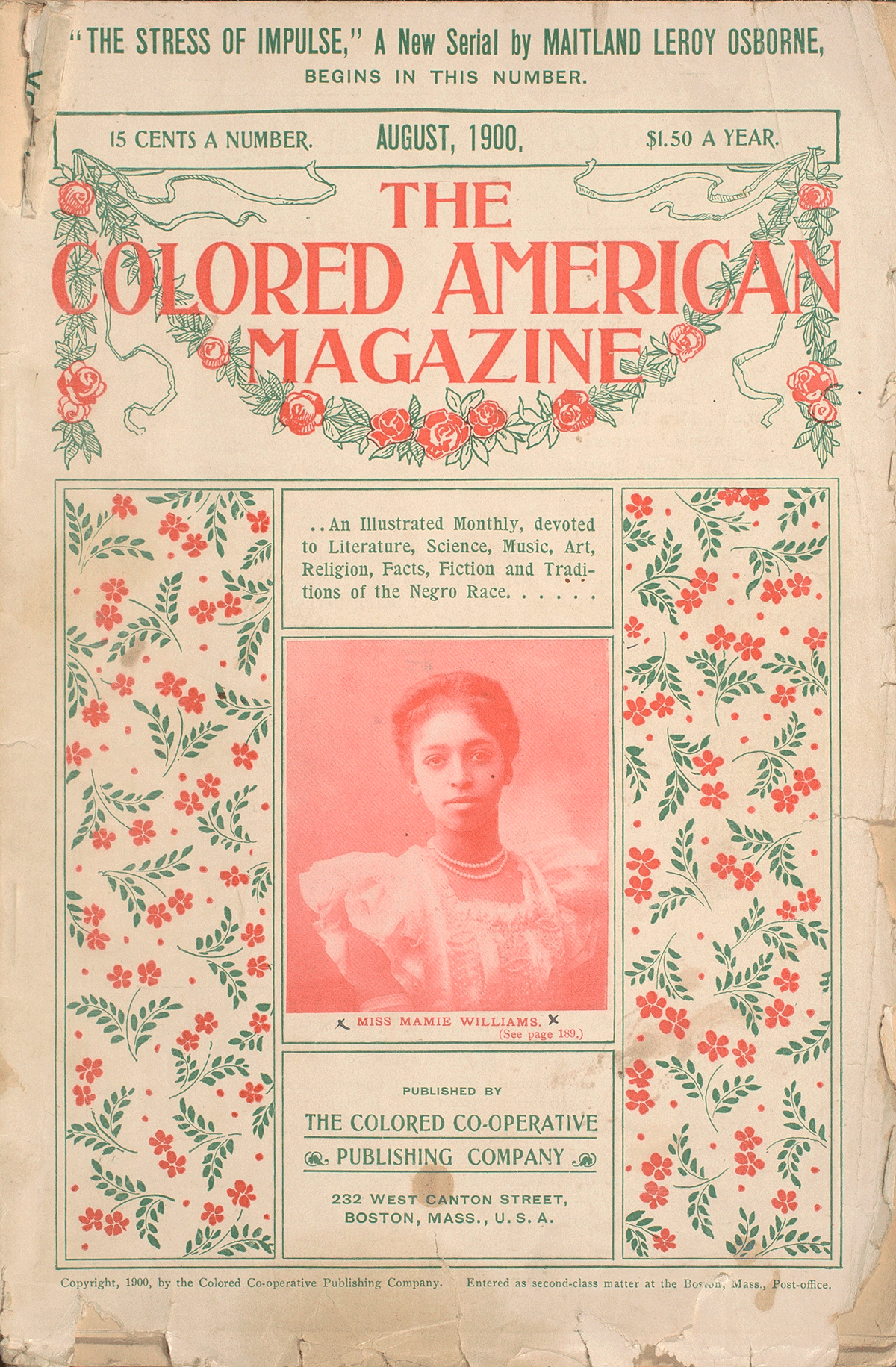
When I searched for the first Black American magazine, Ebony came up. This is the first POC magazine in the United States that achieved national publication. However, The Colored American Magazine was the true first monthly publication in the U.S. and it built the market for future magazines, like Ebony. it was created in May of 1900 and ran until November of 1909 out of Boston. It was founded by Harper S. Fortune, Walter Alexander Johnsons, Walter W. Wallace and Jesse W. Watkins who all hailed from deep south Virginia. Their mission was to write about black Americans succeeding in business, art, education, medicine, etc. and who were devoted to the culture in regard to religion, literature, science, music and art. What is pleasantly surprising is that at the time at least 1/3 of the readers were white, although the magazine was targeted to POC. The magazine was known for portraying the lives of the black American through their own voices in stories, poems, essays, and novels. They were also the first to publicly called out white Americans for doing nothing around issues surrounding hate crimes, such as lynching in the south at the time. They called for repealing racist laws such as the 15th Amendment and spoke up on voting choices. It’s unfortunate that the publication had financial issues from the get-go and went under. However, the entire publication has been digitized and can be viewed at Coloredamerican.org. It’s obvious how and why they set the tone for magazines to come!
Black History Month Influential People in Advertising: Tom Burrell
Tom Burrell was one of the first black men in advertising in the 1960’s. He first broke into the ad industry at Wade Advertising in Chicago, worked his way up to junior editor and then moved on to Leo Burnett and many more before founding Burrell Communications in 1971. His mantra was/(is), “black people are not dark-skinned white people.” His message was similar to Vince Cullers
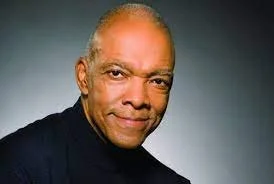
Tom Burrell was one of the first black men in advertising in the 1960’s. He first broke into the ad industry at Wade Advertising in Chicago, worked his way up to junior editor and then moved on to Leo Burnett and many more before founding Burrell Communications in 1971. His mantra was/(is), “black people are not dark-skinned white people.” His message was similar to Vince Cullers where agencies should be marketing to black Americans through their culture. He worked with massive companies,such as McDonalds and Coca-Cola to change their messaging to a more relevant one. In 2005 he was inducted into the American Advertising Federation’s Advertising Hall of Fame and the New York Festival’s Hall of fame more recently. He’s also the author of, “BRAINWASHED: Challenging the Myth of Black Inferiority about the power that messaging plays in attitudes toward race-related issues. He is a visionary and leads the movement to positively change media messaging about black culture. Cheers to you Tom!
Black History Month: Influential People
In honor of Black History month this month, every Friday we will be posting a new blog on black history within the advertising industry. Our first blog will highlight Vince Cullers. In 1956, he founded Vince Culler Advertising, Inc. after graduating from Art Institute of Chicago and tirelessly trying to land a job at multiple agencies. This was at the height of the Civil Rights movement and it was the first black-owned advertising agency. It would change history through his two goals:
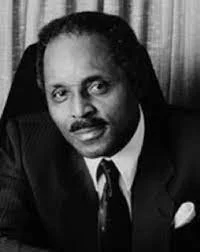
In honor of Black History month this month, every Friday we will be posting a new blog on black history within the advertising industry. Our first blog will highlight Vince Cullers. In 1956, he founded Vince Culler Advertising, Inc. after graduating from Art Institute of Chicago and tirelessly trying to land a job at multiple agencies. This was at the height of the Civil Rights movement and it was the first black-owned advertising agency. It would change history through his two goals: open up advertising to African-Americans and change the way African-Americans were targeted in advertising. His vision innovated ads that spoke to the black community through messaging that would resonate with them. Since no other black owned agencies existed at the time, he became a mentor in the advertising space, where he inspired other agencies to form and trained employees in the ad space. He made bold advertisements that catered to the black community and eventually his business grew so large it made it on the Forbes list in 1990. He would go down in the advertising hall of fame as a trailblazer in the field after his passing in 2003.