
Women’s History Month: Women in Advertising, Eliza Jane Nicholson
The first female publisher in U.S. history was Eliza Jane Nicholson. She ran the Daily Picayune from 76’-96’. And when we say that, we mean 1876-1896! Not only was the first female publisher, she owner the entire major newspaper. She moved to New Orleans to become a professional journalist and began working for the Daily Picayune, where she wrote under the name, Pearl Rivers.
The first female publisher in U.S. history was Eliza Jane Nicholson. She ran the Daily Picayune from 76’-96’. And when we say that, we mean 1876-1896! Not only was the first female publisher, she owned the entire major newspaper. She moved to New Orleans to become a professional journalist and began working for the Daily Picayune, where she wrote under the name, Pearl Rivers. It was here that she met her husband, Alva Holbrook, who was the owner of this paper. When she married him, the paper was in financial turmoil but after her husband passed and she took the lead, it became profitable once again! Interesting side note, Holbrook’s ex-wife attempted to murder Eliza but all to no avail. She fought for women to be hired at the paper and fostered equal pay. Quite a feat for someone of her time when these things were still quite taboo. We would like to celebrate her on this final day of Women’s History Month and all other women in all industries fighting to for women’s equality all over the world. Equality and freedom transcend time and geography!
Notable Women in Advertising: Phyllis Robinson
Phyllis Robinson was born in 1921 and earned her Bachelor’s Degree in sociology from Barnard College. After WWII, she moved to Boston from NYC and started working at Grey Advertising where she wrote fashion ads for Bresnick & Solomont. She was a chief copywriter for DDB in 1949 and was the first ever woman to hold this roll.

“Freedom is only part of the answer. Freedom is the atmosphere. A lot goes on within that freedom. The respect, first of all, of one human being for another—a respect for his ideas, his opinions, especially if they differ sharply from your own.”
-Phyllis Robinson
Phyllis Robinson was born in 1921 and earned her Bachelor’s Degree in sociology from Barnard College. After WWII, she moved to Boston from NYC and started working at Grey Advertising where she wrote fashion ads for Bresnick & Solomont. She was a chief copywriter for DDB in 1949 and was the first ever woman to hold this roll. Phyllis was a true creative that had a writing style that was witty and conversational. She fostered outside of the box thinking for herself and her team. As a pioneer that led the creative revolution of her time, she was inducted into the Copywriters Hall of Fame in 1968. She passed away at 89 years old and left the world a better place than it was when she came into it for women in America.
Women’s History Month: Erma Perham Proetz
Erma Proetz was the first woman to be inducted into the Advertising Hall of Fame. She was a copywriter, account executive, director, creative vice president and executive vice president, who spent most of her advertising career at Gardner Advertising Company in St. Louis. She received multiple awards for her advertisements in the 1920’s.
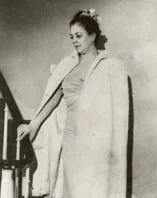
Erma Proetz was the first woman to be inducted into the Advertising Hall of Fame. She was a copywriter, account executive, director, creative vice president and executive vice president, who spent most of her advertising career at Gardner Advertising Company in St. Louis. She received multiple awards for her advertisements in the 1920’s and in 1935, Fortune Magazine named her in the top 16 most outstanding women in American Business. For the time, this was quite a feat and a step in the right direction for women’s rights, well before the equality movement in the 60’s. She became the president of the Women’s Advertising Club of St. Louis in 1936 and served as chair(wo)man of the Council of Women’s Clubs of the Advertising Federation of America. Needless to say, she was quite the powerhouse during her time before she passed in 1944. Quite an impressive resume for the time she was alive as a woman living in a man’s world before women had equal rights. She was inducted into the Advertising Hall of Fame in 1952.
Women's Role in Advertisements Today
In 2022, 46.6% of the workforce in the United States was female (Mathew Zane of Zippia). That’s almost half of the entire workforce! So, why then are women still being portrayed in a stereotypical manner in advertisements? A recent article written by The Drum shows that stereotyping women in advertisements has actually went up in the past year by 66%. What’s going on? Are we not in the progressive 21st Century? On top of this fact, women of darker skin tones have been featured 80% less than women with lighter skin.
In 2022, 46.6% of the workforce in the United States was female (Mathew Zane of Zippia). That’s almost half of the entire workforce! So, why then are women still being portrayed in a stereotypical manner in advertisements? A recent article written by The Drum shows that stereotyping women in advertisements has actually went up in the past year by 66%. What’s going on? Are we not in the progressive 21st Century? On top of this fact, women of darker skin tones have been featured 80% less than women with lighter skin. Sometimes it seems we’re taking a step forward and then we take two steps back in terms of equality. These numbers have to change and it has to be done within the industry as a whole. The advertising industry professionals are considered the “cultural intermediaries” who develop messages. A survey done by Megan Sullivan-Jenks, Director of Marketing & Communications at Choozle, shows that 37% of respondents agreed that the ad industry has a responsibility not to use gender stereotypes. There are two schools of thought on the role of advertising to society. The first is the “mirror” role that suggests that advertisements are merely a reflection of society’s values that already exists and are dominant. The “mold” argument states that people will incorporate stereotypes presented by media into their own value and beliefs system. We think it is safe to say that both are true. The role of advertising professionals should come with responsibility to empower women, not stereotype them into roles of nonprofessionals or submissiveness.